Exploring the world of Architectural Home Improvement Siding: Combining Aesthetics with Extreme Durability, this introduction sets the stage for a deep dive into how aesthetics and durability intersect in home improvement projects.
The subsequent paragraph will delve into the specifics of this fascinating topic, providing detailed insights and valuable information.
Importance of Architectural Home Improvement Siding
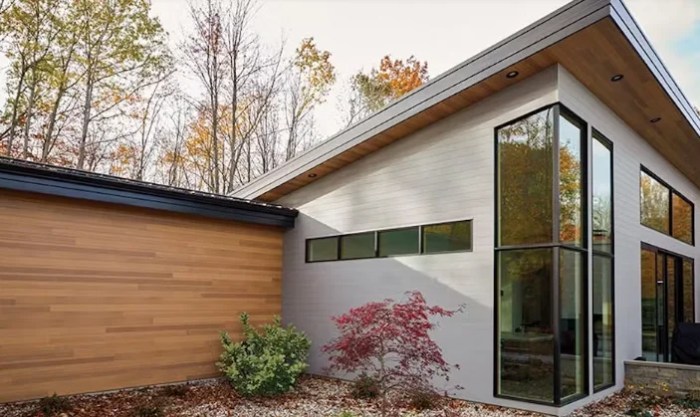
Architectural home improvement siding plays a crucial role in enhancing the aesthetic appeal of a house while providing essential protection and durability.
Enhancing Aesthetic Appeal
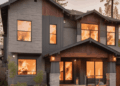
Architectural siding serves as a key element in the exterior design of a home, significantly impacting its overall appearance. By choosing the right siding material, homeowners can achieve a desired look that complements the architectural style of their property. Whether opting for classic vinyl siding, rustic wood siding, or modern fiber cement siding, the choice of material can transform the visual appeal of a house, increasing its value and curb appeal.
Contributing to Durability and Protection
Aside from its visual impact, architectural siding also plays a vital role in protecting a home from various elements such as harsh weather conditions, moisture, and pests. Durable siding materials act as a shield, preventing damage to the underlying structure of the house and reducing maintenance costs in the long run.
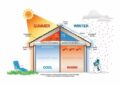
Properly installed siding can enhance the insulation properties of a home, leading to increased energy efficiency and comfort for the residents.
Popular Architectural Siding Materials
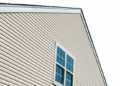
- Vinyl Siding: Known for its affordability, low maintenance, and wide range of color options, vinyl siding is a popular choice among homeowners.
- Fiber Cement Siding: Offering exceptional durability and resistance to fire, moisture, and pests, fiber cement siding is a versatile option that mimics the look of wood or stucco.
- Wood Siding: Renowned for its natural beauty and timeless appeal, wood siding provides a warm and inviting aesthetic, although it requires more maintenance compared to other materials.
- Brick Siding: Recognized for its durability and classic charm, brick siding adds an elegant touch to homes and requires minimal upkeep over time.
Aesthetics in Architectural Siding
When it comes to architectural siding, aesthetics play a crucial role in enhancing the overall look of a home. The customization options available in architectural siding allow homeowners to choose designs that complement their specific architectural style and preferences.
Customization for Different Architectural Styles
Architectural siding can be customized to suit various architectural styles, such as modern, traditional, colonial, or farmhouse. For example, sleek and minimalistic siding designs work well for modern homes, while traditional homes may benefit from more intricate patterns like scalloped or shingle siding.
Enhancing Visual Appeal
Different siding designs can greatly enhance the visual appeal of a home. For instance, vertical siding can make a house appear taller and more elegant, while horizontal siding can create a sense of width. Mixing and matching siding materials like wood, vinyl, or fiber cement can also add depth and interest to the exterior of a home.
Role of Color Schemes and Textures
Color schemes and textures are essential elements in architectural siding for aesthetic purposes. Choosing the right color can completely transform the look of a home, with dark colors creating a bold statement and light colors giving a fresh and airy feel.
Textures like wood grain or smooth finishes can add dimension and visual interest to the siding, enhancing the overall aesthetic appeal of the home.
Extreme Durability Features
Architectural siding is known for its extreme durability, offering long-lasting protection for homes. The key features that make architectural siding extremely durable include:
Weather Resistance
Architectural siding materials are designed to withstand harsh weather conditions such as rain, snow, and high winds. They are made to resist moisture penetration, preventing rot and mold growth.
Impact Resistance
One of the crucial aspects of architectural siding durability is its ability to withstand impacts from various sources such as hail, tree branches, or accidental knocks. This is achieved through the use of sturdy materials that can absorb and distribute impact energy without sustaining damage.
Longevity
Architectural siding is built to last, with materials that are resistant to fading, warping, or cracking over time. This longevity ensures that the siding maintains its aesthetic appeal while providing continuous protection to the home.
Innovative Technologies
Modern architectural siding incorporates innovative technologies to enhance durability. For example, some sidings feature advanced coatings that provide additional protection against UV rays, preventing color fading and deterioration. Others may include reinforcement layers or composite materials for increased strength and resilience.
Combining Aesthetics with Extreme Durability
When it comes to architectural home improvement siding, homeowners often face the challenge of balancing aesthetic preferences with the need for extreme durability. It is essential to find a siding material that not only enhances the overall look of the home but also withstands harsh weather conditions and other external factors to ensure longevity.
Choosing the Right Siding Material
It is crucial to select a siding material that offers both aesthetic appeal and extreme durability. Materials like fiber cement, vinyl, and engineered wood are popular choices due to their combination of beauty and strength. Fiber cement, for instance, mimics the look of wood but is resistant to rot, pests, and fire, making it a durable option for architectural siding.
Maintaining Aesthetic Appeal and Durability
To maintain the aesthetic appeal of architectural siding while ensuring its durability, regular maintenance is key. Cleaning the siding periodically, inspecting for any damage, and addressing issues promptly can help prolong its lifespan. Additionally, choosing a color and style that complements the home's architecture can enhance its visual appeal while still providing the necessary protection.
Final Conclusion
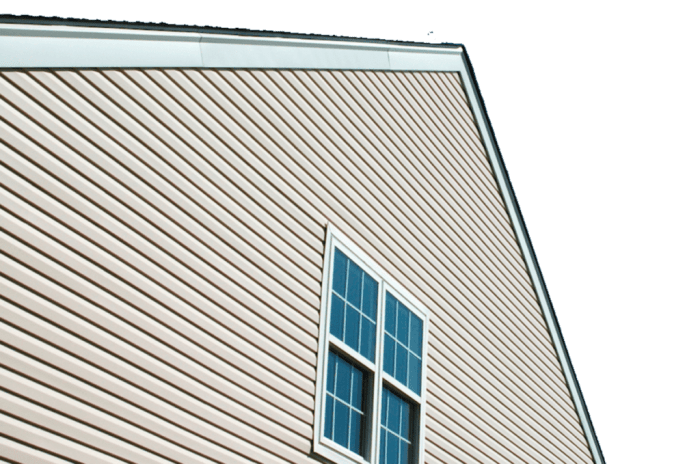
In conclusion, the discussion on Architectural Home Improvement Siding: Combining Aesthetics with Extreme Durability leaves readers with a comprehensive understanding of the subject, emphasizing the importance of balancing visual appeal with long-lasting quality.
FAQ Overview
What are some popular architectural siding materials for home improvement?
Common options include vinyl, fiber cement, wood, and metal.
How can homeowners maintain the aesthetic appeal of architectural siding?
Regular cleaning, inspections, and timely repairs can help preserve the siding's visual charm.
What technologies are used to enhance the durability of architectural siding?
Some advancements include moisture-resistant coatings and impact-resistant materials.