Delving into How Smart Living and Technology Can Reduce Your Annual Home Insurance Costs, this introduction immerses readers in a unique and compelling narrative, with a casual formal language style that is both engaging and thought-provoking from the very first sentence.
Exploring the impact of smart living and technology on your annual home insurance costs can lead to significant savings and a safer home environment. By leveraging smart home devices, home automation systems, and monitoring services, you can enhance your home's security and potentially reduce insurance premiums. Let's delve deeper into how these modern innovations can benefit you both financially and in terms of peace of mind.
Smart Home Devices
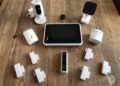
 Smart home devices are becoming increasingly popular for not only enhancing convenience but also for reducing home insurance costs. By investing in smart devices, homeowners can mitigate risks and prevent potential damages, leading to lower insurance premiums.
Smart Locks
Smart locks are an excellent way to enhance home security and reduce the risk of break-ins. Insurance companies often offer discounts for homes equipped with smart locks due to their advanced security features. These locks can prevent unauthorized access and provide homeowners with peace of mind.Security Cameras
Installing security cameras around your property can deter burglars and vandals, reducing the likelihood of theft or property damage. Insurance companies recognize the added security that cameras provide and may offer discounts for homes with surveillance systems in place.Leak Detectors
Leak detectors are essential for detecting water leaks early on, preventing costly water damage and mold growth. By installing smart leak detectors, homeowners can minimize the risk of extensive water-related claims and potentially lower their insurance premiums.Home Automation Systems
Home automation systems play a crucial role in not only making our lives more convenient but also in reducing annual home insurance costs. These systems utilize smart technology to enhance the safety and security of our homes, ultimately lowering the risk of accidents and break-ins.Automated Lighting, Thermostat Control, and Smart Appliances
Automated lighting systems can be programmed to turn on and off at specific times, giving the illusion of someone being home even when the house is empty. This deters potential intruders and reduces the risk of break-ins. Similarly, thermostat control allows homeowners to monitor and adjust the temperature remotely, preventing issues like frozen pipes or overheating that could lead to costly damages. Smart appliances, such as smoke detectors and leak sensors, can alert homeowners of potential hazards in real-time, allowing for immediate action to prevent accidents.- Automated lighting systems create the appearance of an occupied home, deterring burglars and reducing the risk of break-ins.
- Thermostat control helps prevent extreme temperature fluctuations that could lead to costly damages like frozen pipes or mold growth.
- Smart appliances provide real-time alerts for potential hazards like smoke or leaks, allowing homeowners to address issues promptly.
Integrating automated systems into your home can significantly reduce the likelihood of accidents or break-ins, leading to potential savings on insurance premiums.
Monitoring Services
 Professional monitoring services play a crucial role in reducing home insurance costs by providing continuous surveillance and prompt response to emergencies. Insurance companies often offer discounts to homeowners who invest in monitoring services to mitigate risks and ensure the safety of their property.
Benefits of 24/7 Monitoring
- Immediate response to fire, intrusion, or environmental hazards minimizes potential damage to the property.
- Reduces the likelihood of extensive losses by alerting authorities promptly.
- Enhances overall security and safety measures, which can lead to lower insurance premiums.
Difference in Premiums
- Homes with monitoring services typically receive lower insurance premiums due to reduced risk of claims.
- Insurance companies view monitored homes as less risky and are more willing to offer discounts as a result.
- Monitoring services provide peace of mind to homeowners and insurers alike, resulting in cost savings for both parties.
Recommended Monitoring Services
- ADT: A well-known provider offering comprehensive monitoring services for fire, intrusion, and environmental hazards.
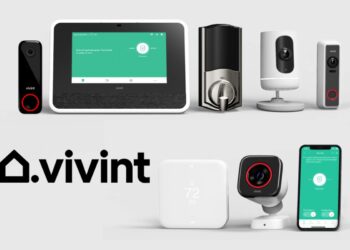
- Vivint: Specializes in smart home automation and monitoring services to enhance security and safety measures.
- Frontpoint: Known for its customizable monitoring plans tailored to individual homeowner needs and preferences.
Data Security and Privacy
In today's digital age, data security and privacy play a crucial role in reducing annual home insurance costs. By safeguarding personal data and smart device information, homeowners can potentially lower their insurance premiums while minimizing risks associated with data breaches.Importance of Data Security
- Implement strong passwords and regularly update them to prevent unauthorized access to smart home devices.
- Enable two-factor authentication for an added layer of security when accessing smart home systems remotely.
- Regularly update software and firmware on smart devices to patch vulnerabilities and reduce the risk of cyber attacks.
- Consider investing in a Virtual Private Network (VPN) to encrypt internet traffic and protect sensitive data transmitted by smart devices.
- Be cautious when granting permissions to third-party apps and services connected to smart home devices to limit potential data exposure.
Correlation between Data Breaches and Insurance Risks
- Data breaches can lead to identity theft, financial fraud, and property damage, increasing the likelihood of filing insurance claims.
- Insurance providers may view homes with inadequate data security measures as higher risks, resulting in higher premiums or policy cancellations.
- Proactively addressing data security vulnerabilities can demonstrate responsible homeownership and potentially lead to discounts on insurance premiums.
Tips for Safeguarding Sensitive Data
- Educate household members on cybersecurity best practices to ensure everyone understands the importance of protecting personal data.
- Regularly review privacy settings on smart devices and ensure that only necessary data is collected and shared with authorized parties.
- Monitor network activity to detect any suspicious behavior or unauthorized access to smart home systems and devices.
- Consider investing in cybersecurity insurance to mitigate financial losses in the event of a data breach or cyber attack.
Closing Summary
In conclusion, embracing smart living and technology can not only make your home more secure and efficient but also lead to tangible savings on your annual home insurance costs. By integrating smart devices, automation systems, and monitoring services, you are taking proactive steps towards a safer and more cost-effective homeownership experience. Start exploring these options today to reap the benefits of a smarter home and lower insurance expenses in the long run.
FAQ Compilation
Do smart home devices really lower home insurance costs?
Yes, smart devices like smart locks, security cameras, and leak detectors can mitigate risks and prevent damages, leading to potential discounts on insurance premiums.
How do home automation systems contribute to reducing insurance expenses?
Home automation systems, through features like automated lighting, thermostat control, and smart appliances, enhance home safety and lower the likelihood of accidents or break-ins, resulting in potential savings on insurance premiums.
What role do monitoring services play in reducing home insurance costs?
Professional monitoring services for fire, intrusion, or environmental hazards can impact insurance costs positively by providing added security and safety measures, potentially leading to discounts on premiums.
Why is data security important for reducing insurance expenses?
Securing personal data and smart device information can lower insurance premiums by reducing the risk of data breaches and associated insurance risks. Taking measures to safeguard sensitive data can lead to potential savings on insurance costs.