Embark on a journey through Eco-Friendly Home Improvement Siding Options for Sustainable Urban Living, where we delve into the world of sustainable materials and innovative design trends that are shaping the future of urban living spaces.
Discover the environmental benefits, cost-saving advantages, and energy efficiency contributions of eco-friendly siding options as we explore the various materials and installation techniques available for your home.
Benefits of Eco-Friendly Siding Options
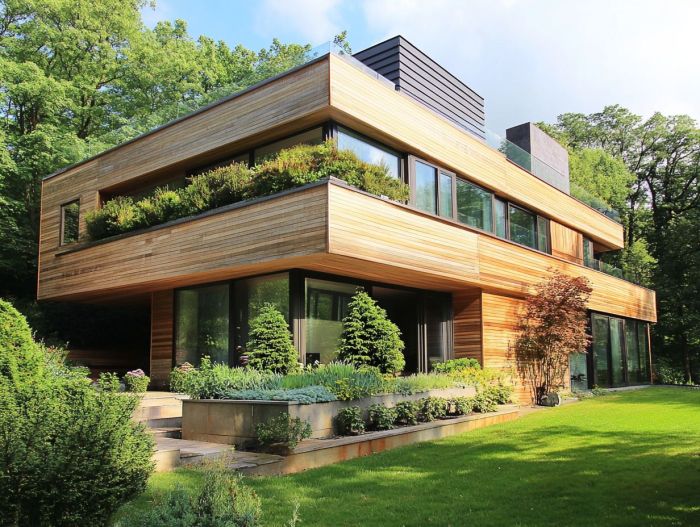
Using sustainable siding materials for home improvement projects offers a multitude of benefits, both for the environment and homeowners. These eco-friendly options not only reduce the carbon footprint but also provide long-term cost savings and contribute to energy efficiency in urban living spaces.
Environmental Benefits of Sustainable Siding Materials
- Reduced environmental impact due to the use of renewable resources
- Decreased dependence on non-renewable materials such as vinyl or aluminum
- Promotion of sustainable forestry practices through the use of wood siding certified by organizations like FSC
Cost-Saving Advantages of Eco-Friendly Siding
- Long-lasting and durable materials that require minimal maintenance over time
- Potential for energy cost savings through improved insulation properties of eco-friendly siding options
- Reduced need for frequent repairs or replacements, leading to overall savings in the long run
Contribution to Energy Efficiency in Urban Living Spaces
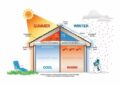
- Enhanced thermal performance of sustainable siding materials helps maintain indoor temperatures
- Reduced energy consumption for heating or cooling, leading to lower utility bills
- Minimized heat transfer through walls, improving overall energy efficiency of the building
Types of Eco-Friendly Siding Materials
When it comes to eco-friendly siding options for urban homes, there are several sustainable materials to choose from. These materials not only help reduce the environmental impact of your home but also offer unique benefits in terms of durability and aesthetics.
Reclaimed Wood Siding
Reclaimed wood siding is a popular choice for eco-conscious homeowners looking for a rustic and natural aesthetic. This material is sourced from old barns, factories, or other structures, giving it a unique and weathered look. Despite its age, reclaimed wood siding can be quite durable if properly maintained, making it a great choice for urban homes seeking a vintage charm.
Fiber Cement Siding
Fiber cement siding is a versatile and durable option that is made from a mixture of cement, sand, and cellulose fibers. This material is resistant to rot, fire, and pests, making it a low-maintenance choice for urban homes. Fiber cement siding comes in a variety of styles and colors, allowing homeowners to achieve a modern and sleek look while still being environmentally friendly.
Recycled Metal Siding
Recycled metal siding, often made from aluminum or steel, is a sustainable option that offers a contemporary and industrial aesthetic. This material is durable, weather-resistant, and can be recycled again at the end of its lifespan, making it a truly eco-friendly choice for urban homes.
Recycled metal siding is also lightweight and easy to install, making it a practical option for environmentally conscious homeowners.
Installation Techniques for Eco-Friendly Siding
When it comes to installing eco-friendly siding materials on urban homes, proper techniques are crucial to ensure durability, energy efficiency, and overall sustainability of the building. Here we will delve into the process of installation, tips for insulation and weatherproofing, and maintenance requirements for different types of sustainable siding materials.
Process of Installation
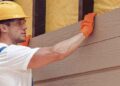
Installing eco-friendly siding involves careful planning and execution to minimize waste and ensure optimal performance. Here are the key steps involved in the installation process:
- Prepare the surface: Clean and repair the existing exterior surface to ensure a smooth and even base for the new siding.
- Measure and cut: Accurately measure the dimensions of the siding panels and cut them to fit the specific areas of the house.
- Secure the siding: Use appropriate fasteners to securely attach the siding panels to the exterior wall, following the manufacturer's guidelines.
- Seal joints and edges: Seal any gaps between panels and around windows and doors to prevent water infiltration and enhance energy efficiency.
Tips for Insulation and Weatherproofing
Proper insulation and weatherproofing are essential for maintaining a comfortable indoor environment and reducing energy consumption. Here are some tips to ensure effective insulation and weatherproofing during the installation of eco-friendly siding:
- Choose high-quality insulation materials to enhance the thermal performance of the building envelope.
- Install a weather-resistant barrier behind the siding to protect against moisture and air infiltration.
- Use caulking and sealing products to fill gaps and cracks in the exterior walls and around openings.
- Regularly inspect the siding for any signs of damage or wear and address them promptly to prevent water damage and maintain energy efficiency.
Maintenance Requirements
Different types of sustainable siding materials have varying maintenance requirements to ensure their longevity and performance. Here are some general maintenance tips for popular eco-friendly siding options:
- Wood siding: Regularly inspect and refinish wood siding to protect it from moisture and UV exposure.
- Fiber cement siding: Clean fiber cement siding periodically to remove dirt and debris, and repaint as needed to maintain its appearance.
- Vinyl siding: Wash vinyl siding with a mild detergent and water solution to remove dirt and grime, and inspect for any cracks or damage.
- Metal siding: Check metal siding for rust or corrosion and treat any affected areas to prevent further deterioration.
Eco-Friendly Siding Design Trends
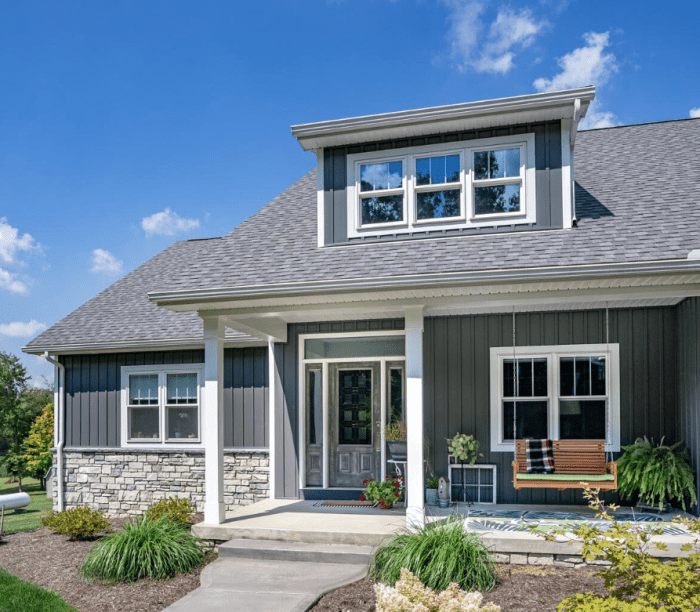
When it comes to eco-friendly siding design trends for sustainable urban living, a focus on both aesthetics and sustainability is key. Modern architecture is increasingly integrating innovative siding designs that not only enhance the visual appeal of buildings but also contribute to a more environmentally conscious approach.
Innovative Siding Designs
Architects and designers are exploring new ways to incorporate eco-friendly siding materials into their projects. Some examples of innovative siding designs include:
- Vertical gardens integrated into the siding to promote greenery and improve air quality.
- Recycled wood siding made from reclaimed materials, reducing waste and carbon footprint.
- Solar panel siding that generates renewable energy while providing a sleek and modern look.
Integration of Eco-Friendly Siding in Modern Architecture
Modern architecture is embracing eco-friendly siding options to create buildings that are both visually striking and environmentally sustainable. By incorporating materials like bamboo, reclaimed wood, and fiber cement, architects are able to achieve a balance between design and eco-consciousness. This approach not only reduces the environmental impact of construction but also sets a new standard for sustainable urban living.
Closure
In conclusion, Eco-Friendly Home Improvement Siding Options for Sustainable Urban Living offer not just a way to enhance the aesthetic appeal of your home, but also a way to contribute positively to the environment and save costs in the long run.
Dive into these sustainable choices and transform your urban living space into a greener, more efficient haven.
FAQ Guide
Are eco-friendly siding options more expensive than traditional options?
While the upfront cost might be slightly higher, eco-friendly siding options can save you money in the long term through energy efficiency and durability.
Do eco-friendly siding materials require special maintenance?
Most eco-friendly siding materials require minimal maintenance, but it's important to follow manufacturer recommendations to ensure longevity.