As Smart Living and Technology: Creating a Carbon-Neutral Household for 2026 takes center stage, this opening passage beckons readers with a crafted world of good knowledge, ensuring an absorbing and original reading experience.
The content of the second paragraph provides clear information about the topic at hand.
Importance of Creating a Carbon-Neutral Household
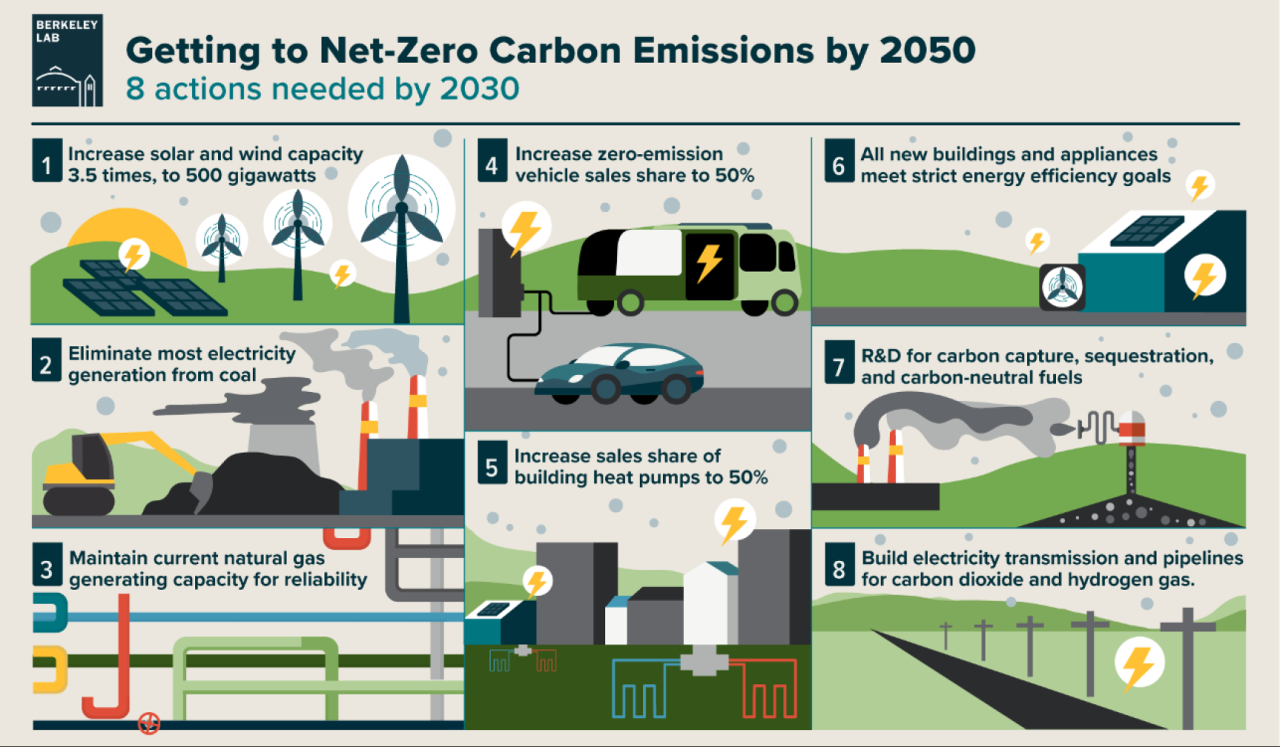
Transitioning to a carbon-neutral household is crucial in the fight against climate change and reducing our environmental impact for a sustainable future.
Concept of a Carbon-Neutral Household
A carbon-neutral household refers to a living space that minimizes its carbon footprint by balancing the amount of carbon dioxide released with an equivalent amount offset or removed from the atmosphere through various eco-friendly practices.
Benefits of Transitioning to a Carbon-Neutral Lifestyle
- Reduced greenhouse gas emissions, which contribute to global warming and climate change.
- Promotion of renewable energy sources like solar or wind power, leading to a cleaner environment.
- Conservation of natural resources and protection of wildlife habitats by reducing carbon-intensive activities.
- Cost savings on energy bills and increased energy efficiency through sustainable practices.
Impact of Carbon Emissions on the Environment
- Carbon emissions from households contribute to air pollution, leading to respiratory problems and other health issues.
- Excessive carbon dioxide in the atmosphere accelerates the greenhouse effect, trapping heat and causing climate disruptions like extreme weather events.
- Ocean acidification due to carbon absorption in the seas harms marine life and disrupts ecosystems.
- Deforestation and habitat destruction result from the demand for resources to support carbon-intensive lifestyles.
Smart Technologies for Energy Efficiency
Smart technologies play a crucial role in reducing energy consumption and creating a more sustainable household. From smart thermostats to energy-efficient appliances, these devices can help optimize energy usage and lower carbon emissions.Smart Thermostats for Optimal Heating and Cooling
Smart thermostats are programmable devices that can adjust temperature settings based on your schedule and preferences. By automatically regulating heating and cooling, they ensure that energy is not wasted when you are away or asleep. This can lead to significant energy savings and reduced carbon footprint compared to traditional thermostats.Energy-Efficient Appliances vs. Traditional Appliances
When it comes to household appliances, opting for energy-efficient models can make a big difference in reducing energy consumption. Energy-efficient refrigerators, washing machines, and dishwashers are designed to use less energy while still providing the same level of performance as traditional models. Over time, this can result in lower utility bills and a more sustainable household.Renewable Energy Sources for the Home
Renewable energy sources offer sustainable solutions for powering homes while reducing carbon footprints. Solar panels and wind turbines are two popular options for households looking to transition towards cleaner energy alternatives.Solar Panels for Residential Use
Solar panels harness sunlight and convert it into electricity through photovoltaic cells. These panels are typically installed on rooftops or in open spaces with direct sunlight exposure. The installation process involves mounting the panels securely and connecting them to an inverter to convert the generated electricity into a usable form for the household. While the initial cost of purchasing and installing solar panels can be significant, the long-term savings on electricity bills and potential government incentives make them a cost-effective investment in the long run.Wind Turbines for Residential Use
Wind turbines utilize the power of wind to generate electricity. Residential wind turbines are smaller in size compared to commercial ones and can be installed in yards or open areas with consistent wind flow. The installation process involves securing the turbine to a sturdy foundation and connecting it to a battery or the electrical grid. While wind turbines may require a higher initial investment compared to solar panels, they can be a valuable addition for households located in areas with ample wind resourcesSustainable Practices for Waste Reduction
Reducing, reusing, and recycling household waste are crucial strategies for creating a carbon-neutral household. By implementing sustainable practices, we can minimize our environmental impact and contribute to a healthier planet.Tips for Composting Organic Waste
Composting organic waste is an effective way to divert materials from landfills and create nutrient-rich soil for gardening. Here are some tips for successful composting:- Collect fruit and vegetable scraps, coffee grounds, eggshells, and yard waste for composting.
- Avoid adding meat, dairy, and oily foods to your compost pile, as they can attract pests.
- Turn your compost regularly to aerate it and speed up the decomposition process.
- Use a balance of green (nitrogen-rich) and brown (carbon-rich) materials to maintain a healthy compost pile.
Importance of Eco-Friendly Packaging Choices
Choosing eco-friendly packaging options can significantly reduce waste and minimize the environmental impact of your household. Consider the following tips for making sustainable packaging choices:- Opt for products with minimal or recyclable packaging to reduce waste generation.
- Avoid single-use plastics and choose reusable or biodegradable alternatives whenever possible.
- Support brands that prioritize sustainable packaging practices and use environmentally friendly materials.
- Participate in programs that facilitate the recycling or upcycling of packaging materials to extend their lifecycle.
Monitoring and Managing Household Carbon Footprint
 Monitoring and managing your household carbon footprint is essential in the journey towards creating a carbon-neutral home. By understanding how to calculate your carbon footprint, utilizing tools and apps for monitoring energy usage and emissions, and tracking progress in reducing your footprint over time, you can make informed decisions to minimize your environmental impact.
Calculating the Carbon Footprint of a Household
- Calculate your energy consumption: Determine how much electricity, gas, and water your household uses on a monthly basis.
- Assess transportation emissions: Estimate the carbon emissions from your vehicles by considering mileage, fuel efficiency, and types of transportation used.
- Include waste generation: Consider the amount of waste your household produces and the associated emissions from disposal methods.
- Use online calculators: Utilize carbon footprint calculators available online to input your data and receive an estimate of your household's carbon footprint.
Tools and Apps for Monitoring Energy Usage and Emissions
- Smart energy meters: Install smart meters to track real-time energy usage and identify areas for improvement.
- Energy monitoring apps: Use apps that sync with your smart devices to monitor energy consumption, set goals, and receive notifications on usage patterns.
- Carbon footprint trackers: Explore apps that calculate your carbon footprint based on daily activities and provide tips for reducing emissions.
Tracking Progress in Reducing Carbon Footprint Over Time
- Set goals: Establish achievable goals for reducing your carbon footprint and track your progress regularly.
- Compare data: Analyze your energy usage and emissions data over time to identify trends and areas where improvements can be made.
- Celebrate milestones: Recognize and celebrate achievements in reducing your carbon footprint to stay motivated and inspired to continue sustainable practices.
Final Review
In conclusion, the discussion on Smart Living and Technology: Creating a Carbon-Neutral Household for 2026 leaves readers with a captivating summary and lasting thoughts.
Questions and Answers
What are some benefits of transitioning to a carbon-neutral lifestyle?
Transitioning to a carbon-neutral lifestyle helps reduce greenhouse gas emissions, mitigates climate change, and promotes sustainable living practices.
How can I calculate the carbon footprint of my household?
You can calculate your household's carbon footprint by assessing energy usage, transportation habits, and waste production to determine the amount of carbon dioxide emitted.
What are some examples of renewable energy sources suitable for households?
Renewable energy sources suitable for households include solar power, wind energy, geothermal energy, and hydropower.