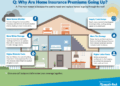
Exploring how home improvement siding impacts your yearly homeowners insurance premiums opens up a realm of insights that can significantly influence your financial decisions. As we delve into this topic, we uncover the intricate relationship between siding choices and insurance costs, providing you with valuable knowledge to make informed choices for your home.
Delving deeper into the specifics, we will navigate through the various factors that insurance companies consider when evaluating siding, shedding light on how upgrading your siding can lead to potential savings. By the end of this discussion, you'll have a comprehensive understanding of how siding upgrades can not only enhance your home's aesthetics but also impact your insurance premiums.
Importance of Siding in Home Insurance Premiums
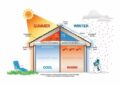
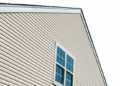
Siding plays a crucial role in determining your annual homeowners insurance premiums. The type, quality, and maintenance of your home's siding can directly impact the cost of your insurance coverage. Insurance companies consider siding as a protective barrier for your home, affecting its vulnerability to damages and the overall risk of a claim.
Impact of Siding Materials on Premiums
- Brick or Stone: Durable materials like brick or stone are less susceptible to damage, resulting in lower insurance premiums.
- Vinyl: Vinyl siding is cost-effective and easy to maintain, potentially leading to reduced insurance rates.
- Wood: Traditional wood siding may require more maintenance and is prone to damage, leading to higher insurance costs.
- Fiber Cement: High-quality fiber cement siding can offer durability and protection, possibly resulting in lower premiums.
Well-Maintained Siding and Lower Rates
- Regular inspections and maintenance of siding can prevent issues like water damage, mold, or pest infestations, reducing the risk of claims.
- Insurance companies may offer discounts for homeowners with well-maintained siding, reflecting a lower risk of damage and claims.
Role of Siding in Home Protection
Siding acts as a shield against external elements such as weather, debris, and pests. A strong and well-installed siding can help protect the structural integrity of your home, reducing the likelihood of damage from wind, hail, or other hazards. Insurance providers consider the quality and condition of siding when assessing the overall risk associated with insuring your property.
Factors Considered by Insurance Companies
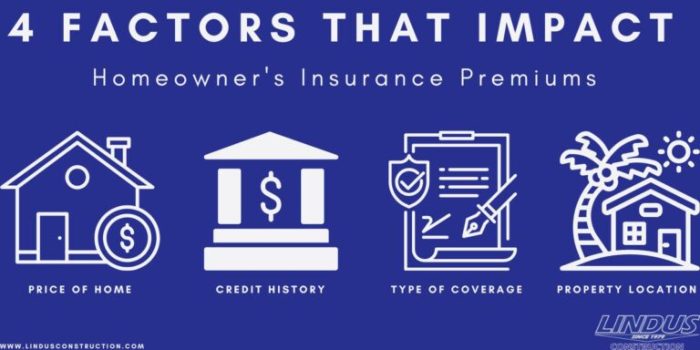
When it comes to determining homeowners insurance premiums, insurance companies take various factors into consideration. The type of siding on a home is one of these key factors that can impact the cost of insurance coverage.
Assessment of Siding by Insurance Companies
Insurance companies assess the siding of a home based on its durability, resistance to weather elements, and overall condition. Siding that is strong, durable, and low-maintenance is less likely to incur damage during severe weather events, reducing the risk for insurance companies.
- Insurance companies may consider the material of the siding, such as vinyl, wood, fiber cement, or brick, and how it withstands common perils like wind, hail, fire, and water damage.
- They also look at the age and maintenance of the siding, as older or poorly maintained siding may be more prone to damage, leading to higher insurance premiums.
Relationship Between Siding Durability and Insurance Premiums
The durability of the siding directly impacts insurance premiums. Siding that is more resistant to damage can lower the risk of claims for insurance companies, resulting in lower premiums for homeowners.
Strong and durable siding materials like fiber cement or brick may lead to lower insurance premiums due to their ability to withstand various perils.
Common Siding Issues Affecting Insurance Costs
Certain siding issues can raise insurance costs due to the increased risk they pose. Common problems that may impact insurance premiums include:
- Cracking, warping, or rotting of wood siding
- Denting or chipping of vinyl siding
- Water damage behind the siding
Comparison of Siding Options on Insurance Rates
Different siding options can have varying impacts on insurance rates based on their durability and resistance to damage. Here is a comparison of common siding materials:
| Siding Material | Impact on Insurance Rates |
|---|---|
| Vinyl | May have moderate insurance rates due to its susceptibility to damage |
| Fiber Cement | Can lead to lower insurance premiums because of its durability |
| Wood | May result in higher insurance costs due to maintenance and susceptibility to damage |
| Brick | Often associated with lower insurance premiums due to its resilience |
Upgrading Siding for Insurance Savings
When it comes to upgrading your home's siding for insurance savings, choosing the right materials can make a significant difference in your premiums. By selecting durable and weather-resistant siding materials, you can potentially lower your insurance costs and increase your home's overall value.
Choosing Siding Materials for Insurance Savings
- Opt for impact-resistant materials like fiber cement or vinyl siding, which can withstand harsh weather conditions and reduce the risk of damage.
- Consider fire-resistant siding options such as metal or brick, which may qualify you for additional insurance discounts.
- Look for siding with high wind resistance ratings to decrease the likelihood of wind-related claims and potentially lower your premiums.
Potential Cost Savings of Upgrading Siding
Upgrading your siding to more resilient materials can lead to long-term cost savings on your homeowners insurance premiums. Insurance companies often offer discounts for homes with lower risk factors, such as durable siding that reduces the likelihood of damage claims.
Examples of Insurance Discounts with New Siding Installations
- After installing impact-resistant fiber cement siding, homeowners may receive a 5% discount on their annual insurance premiums due to reduced risk of hail damage.
- Homes with fire-resistant metal siding could qualify for a 10% discount on insurance rates, as the risk of fire damage is significantly lower.
- Upgrading to high wind-resistant vinyl siding may result in a 7% reduction in insurance premiums, as the home is less susceptible to wind-related claims.
Informing Insurance Companies about Siding Upgrades
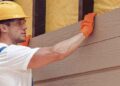
When you upgrade your home's siding, it's essential to inform your insurance company to ensure that you receive any applicable discounts. Provide documentation of the new siding installation, including materials used and any relevant certifications, to demonstrate the increased durability and safety of your home.
Handling Insurance Claims Related to Siding
When it comes to handling insurance claims related to siding, it is essential to understand how these claims can impact your future premiums. The way you navigate the claims process and the actions you take can have a direct effect on your homeowners insurance rates.
Here's what you need to know:
Impact of Insurance Claims on Future Premiums
- Insurance claims for siding damage can lead to an increase in your annual premiums. Insurance companies view homes with previous claims as higher risk, which can result in a hike in premiums.
- Repeated claims for siding damage may even lead to non-renewal of your policy by the insurance company. It is crucial to handle claims carefully to avoid such repercussions.
Steps for Filing an Insurance Claim for Siding Repairs
- Notify your insurance company as soon as you notice damage to your siding. Provide them with detailed information about the extent of the damage and how it occurred.
- Document the damage by taking photographs or videos. This visual evidence will help support your claim and ensure a smoother claims process.
- Obtain estimates from reputable contractors for the repair or replacement of the damaged siding. Submit these estimates to your insurance company along with your claim.
Documenting Siding Damage for Insurance Purposes
- Make sure to document the date when the siding damage occurred. This information will be crucial for your insurance claim.
- Keep all receipts and invoices related to the siding repairs. These documents serve as proof of the expenses incurred and will be needed for reimbursement.
- Maintain a record of all communication with your insurance company regarding the claim. This includes emails, letters, and phone calls.
Preventing Premium Increases with Timely Siding Repairs
- Timely repairs to your siding can help prevent premium increases. Addressing damage promptly shows your insurance company that you are proactive about maintaining your home.
- Regular maintenance of your siding can also help prevent costly damage in the future. By keeping your siding in good condition, you reduce the likelihood of making insurance claims for extensive repairs.
Wrap-Up
In conclusion, the significance of home improvement siding on your annual homeowners insurance premiums cannot be overstated. By being proactive in selecting the right siding materials and maintaining them effectively, you have the power to optimize your insurance costs while safeguarding your home.
Armed with this knowledge, you are better equipped to make informed decisions that benefit both your property and your financial well-being.
General Inquiries
How does the quality of siding affect insurance premiums?
The type and quality of siding can impact insurance costs by influencing the home's vulnerability to damage, which insurers take into account when setting premiums.
Are there specific siding materials known to increase insurance rates?
Materials like wood that require more maintenance or have higher susceptibility to damage may lead to higher insurance premiums.
Can upgrading siding lead to immediate insurance discounts?
Yes, installing new siding that is more durable and resistant to damage can often result in insurance discounts due to the reduced risk of claims.
How should I document siding damage for insurance purposes?
It is advisable to take clear photos and keep records of any damage, along with professional assessments, to support your insurance claim effectively.