Embark on a journey into the realm of Insulated Home Improvement Siding: Reducing Energy Costs in Cold Climates. Discover how this innovative solution can transform homes in chilly climates, bringing warmth and savings along the way.
Introduction to Insulated Home Improvement Siding
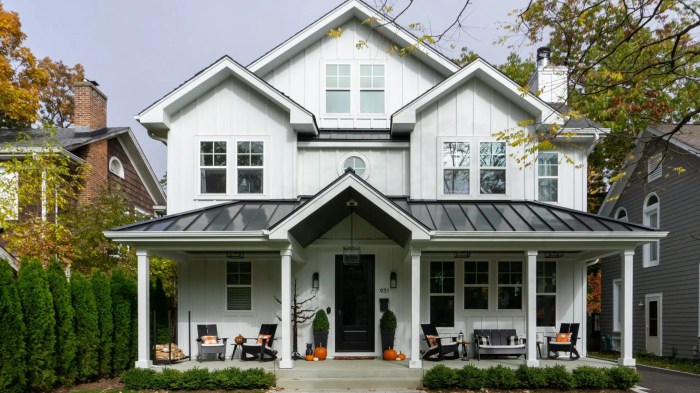
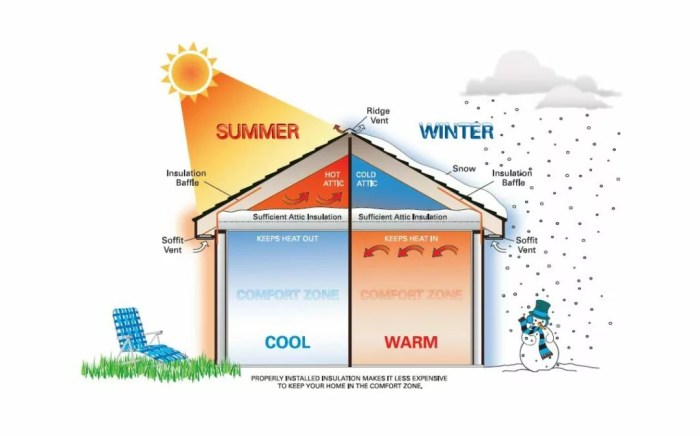
Insulated home improvement siding refers to the installation of specially designed siding materials that help to improve the insulation of a home. These siding materials are created with added layers or materials that enhance the thermal efficiency of a house, reducing heat loss and improving energy conservation.Reducing energy costs in cold climates is crucial for homeowners looking to stay comfortable while also saving on utility bills.
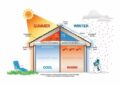
Cold climates can lead to increased energy consumption as heating systems work harder to maintain a warm indoor temperature. By investing in insulated siding, homeowners can effectively reduce energy usage and cut down on heating expenses.
Benefits of Using Insulated Siding for Homes in Cold Regions
- Improved Energy Efficiency: Insulated siding helps to create a more airtight seal around the home, preventing heat loss and reducing the workload on heating systems.
- Enhanced Comfort: With better insulation, homes stay warmer in the winter months, creating a more comfortable living environment for residents.
- Cost Savings: By reducing energy consumption, insulated siding can lead to lower heating bills, saving homeowners money in the long run.
- Noise Reduction: Insulated siding also offers soundproofing benefits, helping to minimize outside noise and create a quieter indoor space.
Types of Insulated Home Improvement Siding
Insulated home improvement siding comes in various materials that offer different levels of energy efficiency. Choosing the right type of siding can significantly impact your home's insulation and energy costs.
Vinyl Siding
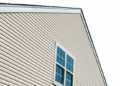
Vinyl siding is a popular choice for insulated home improvement projects due to its affordability and durability. It provides decent insulation but may not be as energy-efficient as other materials. Some popular brands offering insulated vinyl siding options include CertainTeed and Mastic.
Fiber Cement Siding
Fiber cement siding is known for its excellent durability and resistance to moisture and pests. It offers better insulation compared to vinyl siding and can help reduce energy costs. James Hardie and Allura are well-known brands that offer insulated fiber cement siding options.
Foam-backed Siding
Foam-backed siding, such as insulated vinyl siding with a foam backing, provides enhanced insulation properties. This type of siding can significantly reduce energy costs by minimizing heat loss. Brands like Alside and Ply Gem offer foam-backed insulated siding options.
Wood Siding
Although not as common for insulated siding, wood siding can still provide some level of insulation. However, it may require more maintenance compared to other materials. Cedar and redwood are popular choices for wood siding with insulation properties.
Insulated Metal Siding
Insulated metal siding, such as steel or aluminum siding with added insulation, offers excellent durability and energy efficiency. This type of siding is often used in commercial buildings but can also be a great option for residential homes. Brands like TruLog and Bridger Steel provide insulated metal siding options.
Installation Process
When it comes to installing insulated home improvement siding, it is essential to follow the proper steps to ensure effectiveness and efficiency. Let's explore the installation process, the tools and equipment needed, as well as some tips for a successful installation.
Steps Involved in Installing Insulated Home Improvement Siding
- Prepare the surface by removing any existing siding and ensuring it is clean and smooth.
- Measure and cut the insulated siding panels to fit the dimensions of the walls.
- Install the starter strip at the bottom of the wall to provide a level base for the siding panels.
- Begin installing the siding panels from one corner, working your way across and up the wall in a staggered pattern.
- Secure the panels in place using nails or screws, making sure they are properly aligned and level.
- Finish the installation by adding trim pieces around windows, doors, and corners for a polished look.
Tools and Equipment Needed for Installation
- Tape measure and level for accurate measurements and alignment.
- Saw or cutting tool to cut the siding panels to size.
- Nails, screws, and a hammer or screwdriver for securing the panels in place.
- Starter strip and trim pieces for a professional finish.
- Protective gear such as gloves and safety glasses for personal safety.
Tips for Ensuring a Proper and Efficient Installation Process
- Follow the manufacturer's instructions carefully to ensure proper installation.
- Take your time and double-check measurements to avoid any mistakes.
- Work in small sections to maintain control and accuracy throughout the installation.
- Seal any gaps or seams properly to prevent air leakage and maximize insulation benefits.
- Consider hiring a professional if you are unsure about the installation process to ensure a quality outcome.
Energy Cost Reduction Benefits
Insulated home improvement siding plays a crucial role in reducing energy costs for homeowners living in cold climates. By providing an extra layer of insulation around the house, insulated siding helps in maintaining a consistent indoor temperature, thus reducing the need for excessive heating during the winter months.
Impact of Insulated Siding on Energy Bills
- According to a study conducted by the Department of Energy, homes with insulated siding can save up to 20% on energy bills compared to those without.
- Case studies have shown that homeowners who have installed insulated siding experienced a significant decrease in their monthly heating costs.
- Insulated siding acts as a barrier against heat loss, resulting in lower energy consumption and ultimately, reduced utility bills.
Long-Term Savings with Insulated Siding Installations
Insulated siding not only helps in immediate energy cost reduction but also provides long-term savings for homeowners.
- With reduced energy consumption, homeowners can expect to see a decrease in their overall utility bills year after year.
- The initial investment in insulated siding installation pays off in the long run through lower heating costs and increased energy efficiency.
- Over time, the savings from using insulated siding can add up significantly, making it a cost-effective home improvement solution for cold climates.
Maintenance and Care
Proper maintenance and care are essential to ensure the longevity and effectiveness of insulated siding. By following these tips, you can keep your siding in top condition and maximize its energy-saving benefits.
Cleaning and Care Tips
- Regularly clean your insulated siding with a mixture of mild soap and water to remove dirt, dust, and grime. Avoid using harsh chemicals or abrasive materials that could damage the siding.
- Rinse the siding thoroughly with water after cleaning to prevent any residue from soap or cleaning solution.
- Inspect the siding periodically for any signs of damage, such as cracks, chips, or warping. Address any issues promptly to prevent further damage.
- Trim any vegetation near the siding to prevent mold or mildew growth and maintain proper airflow around the panels.
Common Issues and Solutions
- Moisture Problems:Insulated siding can trap moisture if not properly installed or maintained. Ensure that the panels are securely fastened and that any gaps or seams are sealed to prevent water infiltration.
- Pest Infestations:Insects and rodents may try to nest behind insulated siding. Regularly inspect the panels for any signs of pest activity and take measures to deter or remove them.
- Fading or Discoloration:Over time, insulated siding may fade or change color due to exposure to sunlight. Consider using UV-resistant siding or applying a protective coating to maintain the color and appearance of the panels.
Conclusive Thoughts
In conclusion, Insulated Home Improvement Siding offers a promising avenue for homeowners to enhance energy efficiency and comfort in colder regions. Embrace this technology to experience a cozy home environment while cutting down on those energy bills.
Quick FAQs
How does insulated siding help reduce energy costs?
Insulated siding acts as a barrier, preventing heat loss in cold climates and reducing the need for constant heating.
What are the maintenance requirements for insulated siding?
Regular cleaning and occasional inspections are key to maintaining the longevity and efficiency of insulated siding.
Are there specific brands known for offering quality insulated siding options?
Popular brands like CertainTeed, Alside, and Mastic are recognized for their reliable insulated siding products.