Exploring the realm of low-maintenance home improvement siding solutions tailored for busy property owners sets the stage for a journey filled with practical insights and innovative ideas. From enhancing property aesthetics to ensuring durability, this topic delves into the essentials of siding materials and installation processes with a focus on simplicity and efficiency.
Types of Low-Maintenance Siding Solutions
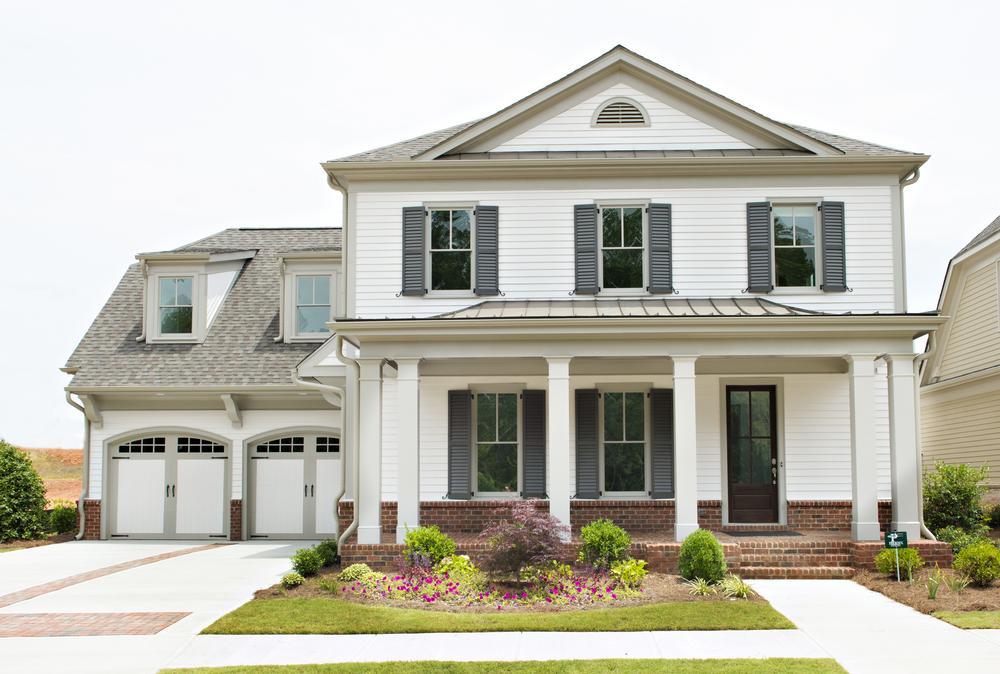
When it comes to low-maintenance siding solutions, property owners have several options to choose from. Each type of siding material offers unique benefits in terms of durability, aesthetics, and property value enhancement.
Vinyl Siding
Vinyl siding is a popular choice for low-maintenance solutions due to its durability and easy upkeep. It is resistant to rot, moisture, and insects, making it a long-lasting option for property owners. Vinyl siding also comes in a wide range of colors and styles, allowing for customization to suit any property's aesthetic.
Fiber Cement Siding
Fiber cement siding is another low-maintenance option that is known for its durability and strength. It offers excellent resistance to fire, moisture, and pests, making it a reliable choice for property owners looking for a long-term solution. Fiber cement siding can mimic the look of wood or masonry, adding a touch of elegance to any property.
Engineered Wood Siding
Engineered wood siding combines the beauty of natural wood with the low-maintenance benefits of composite materials. It is designed to resist rot, decay, and pests, ensuring a long lifespan for the siding. Engineered wood siding comes in a variety of textures and finishes, providing property owners with the opportunity to enhance their property's curb appeal.Overall, each type of low-maintenance siding solution offers a unique set of advantages in terms of durability, aesthetics, and property value enhancement.
Property owners can choose the option that best suits their preferences and budget to ensure a hassle-free and visually appealing exterior for their property.
Installation Process and Considerations
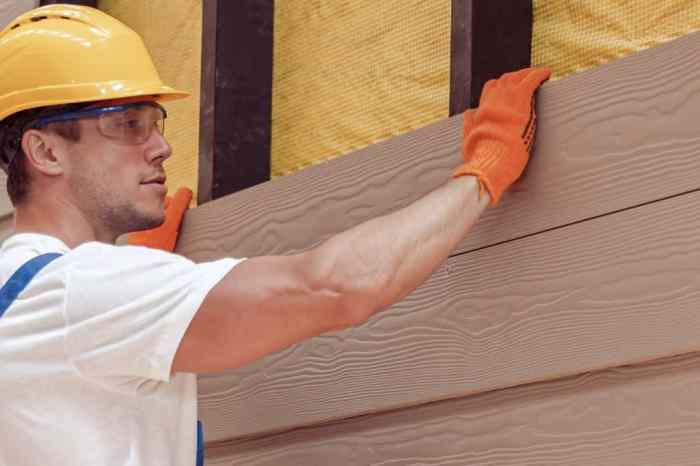
When it comes to installing low-maintenance siding, there are several important steps to consider to ensure a successful outcome. Proper installation is crucial for the longevity and effectiveness of the siding, as well as the overall energy efficiency of the property.
General Steps for Installing Low-Maintenance Siding
- Prepare the surface: Make sure the exterior walls are clean, smooth, and free of any debris before installing the siding.
- Measure and cut the siding: Take accurate measurements of the walls and cut the siding panels accordingly to ensure a proper fit.
- Install insulation: Proper insulation is essential for energy efficiency. Insulating the walls before installing the siding can help reduce heat loss and lower energy bills.
- Attach the siding: Secure the siding panels to the walls using the appropriate fasteners, following the manufacturer's instructions.
- Finish and seal: Once the siding is in place, make sure to properly finish and seal the edges to protect against moisture and weather damage.
Importance of Proper Insulation for Energy Efficiency
Proper insulation plays a crucial role in the energy efficiency of a property. When installing siding, adding insulation can help regulate indoor temperatures, reduce energy consumption, and lower heating and cooling costs. It also helps create a barrier against moisture and drafts, improving overall comfort and air quality inside the property.
Additional Considerations During Installation
- Choose the right siding material: Consider factors such as durability, maintenance requirements, and aesthetic appeal when selecting the siding material.
- Hire a professional installer: If you're not experienced in siding installation, it's best to hire a professional to ensure the job is done correctly and efficiently.
- Check local regulations: Before starting the installation process, check with local authorities to ensure compliance with building codes and regulations.
- Maintain the siding: Regular maintenance, such as cleaning and inspections, can help prolong the lifespan of the siding and prevent issues down the line.
Maintenance Tips for Longevity
Maintaining low-maintenance siding may sound like a contradiction, but it is essential to ensure its longevity and keep your property looking its best. By following some simple tips, you can preserve the beauty and functionality of your siding for years to come.
Regular Cleaning Methods
- Regularly rinse siding with a garden hose to remove dirt and debris.
- Use a mild detergent and soft brush to gently scrub any stubborn stains or mildew.
- Avoid using harsh chemicals or abrasive tools that can damage the siding material.
Inspection and Repair
- Inspect siding regularly for signs of damage such as cracks, warping, or discoloration.
- Address any issues promptly to prevent further damage and maintain the integrity of the siding.
- Consider hiring a professional to conduct a thorough inspection and make any necessary repairs.
Cost Analysis and Budgeting
When considering low-maintenance siding options, it's crucial to assess the costs involved to make an informed decision that fits your budget.
Breakdown of Costs
Here is a breakdown of the costs associated with different low-maintenance siding options:
- Vinyl Siding: Vinyl siding is a popular choice for its affordability, with costs ranging from $2 to $7 per square foot for materials. Installation costs can vary based on the complexity of the project and contractor rates.
- Fiber Cement Siding: Fiber cement siding is a durable option that typically costs between $5 to $12 per square foot for materials. Although installation costs may be higher due to the weight of the material, the longevity and low maintenance requirements can lead to cost savings in the long run.
- Composite Siding: Composite siding offers a mix of materials like wood and plastic, with costs averaging between $4 to $10 per square foot for materials. Installation costs can vary depending on the specific composite material chosen.
Budgeting Tips
When budgeting for siding installation and long-term maintenance, consider the following tips:
- Get multiple quotes from reputable contractors to compare costs and services.
- Factor in additional costs such as insulation, trim work, and any necessary repairs before installation.
- Allocate a portion of your budget for regular maintenance tasks to ensure the longevity of your siding.
Investment versus Savings
Comparing the initial investment to the long-term savings of choosing low-maintenance siding solutions is essential:
While low-maintenance siding options may have a higher upfront cost compared to traditional materials, the reduced need for frequent maintenance, repairs, and replacements can lead to significant savings over time.
Final Summary
In conclusion, the discussion on low-maintenance home improvement siding solutions for busy property owners encapsulates the essence of convenience and quality. By prioritizing longevity and cost-effectiveness, property owners can elevate their homes with ease and confidence, knowing they have made a wise investment in the long run.
FAQ Overview
How often should low-maintenance siding be inspected for damage?
It is recommended to inspect low-maintenance siding annually for any signs of damage to address issues promptly and prevent further deterioration.
Are there specific cleaning products to avoid when maintaining low-maintenance siding?
Avoid using harsh chemicals or abrasive cleaners on low-maintenance siding to prevent damage to the material's surface and maintain its longevity. Opt for mild detergents and gentle cleaning solutions instead.
Can low-maintenance siding be painted or repainted to change the color of the property?
Yes, certain types of low-maintenance siding can be painted or repainted to update the color scheme of the property. However, it is essential to follow the manufacturer's guidelines and use suitable paint products for optimal results.
Is it necessary to hire professionals for the installation of low-maintenance siding, or can it be done as a DIY project?
While some property owners may choose to install low-maintenance siding themselves, hiring professionals ensures proper installation, adherence to building codes, and optimal energy efficiency. It is recommended to consult with experts for a seamless and efficient installation process.