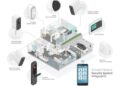
Starting off with Smart Home Improvement Siding: Integrating Hidden Sensors for Structural Health, this introductory paragraph aims to grab the reader's attention and provide a brief overview of the topic.
The following paragraph will delve deeper into the details and intricacies of smart siding and hidden sensors integration.
Smart Home Improvement Siding

Smart siding in home improvement refers to the use of advanced materials and technologies to enhance the functionality and efficiency of the exterior of a house. By integrating sensors into siding, homeowners can monitor the structural health of their property in real time, helping to identify potential issues before they escalate.
Benefits of Integrating Sensors into Siding
- Early detection of moisture infiltration or leaks, preventing costly damage to the structure.
- Continuous monitoring of temperature variations, aiding in energy efficiency by identifying areas of heat loss or gain.
- Enhanced security through the detection of unauthorized entry or unusual activity around the property.
Common Materials Used for Smart Siding
- Fiber cement: Durable and resistant to moisture, making it ideal for smart siding applications.
- Vinyl: Low-maintenance and cost-effective, often used in smart siding solutions for modern homes.
- Wood composite: Offers a natural look while providing the benefits of smart technology integration.
Role of Smart Siding in Enhancing Energy Efficiency and Security
- Energy efficiency: Smart siding can help regulate indoor temperature, reducing the need for excessive heating or cooling.
- Security: Sensors in smart siding can detect unusual movements or breaches, enhancing the safety of the property.
Integrating Hidden Sensors
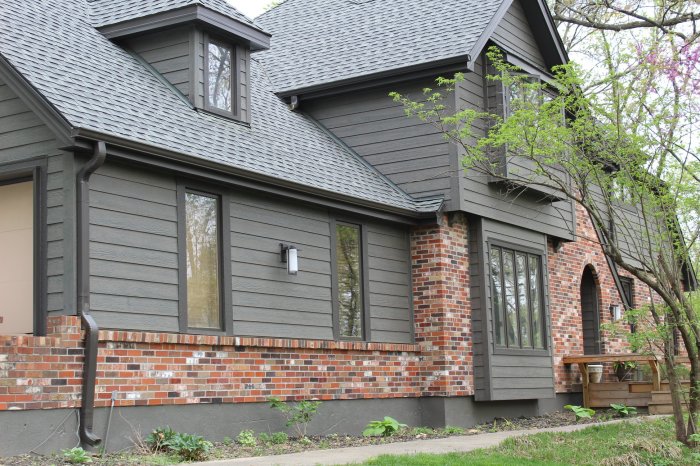
When it comes to smart home improvement siding, integrating hidden sensors can revolutionize the way we monitor the structural health of buildings. These sensors can provide valuable insights and early detection of potential issues, ultimately enhancing the safety and longevity of the structure.
Types of Sensors for Integration
- Moisture Sensors: These sensors can detect water intrusion, leaks, or high humidity levels, helping prevent mold and rot.
- Temperature Sensors: Monitoring temperature variations can indicate potential insulation problems or energy inefficiencies.
- Vibration Sensors: These sensors can detect structural movements or vibrations, alerting homeowners to potential issues like settling or foundation problems.
Effectiveness of Hidden Sensors
Hidden sensors offer a non-intrusive way to monitor the structural health of a building compared to traditional methods like visual inspections or manual testing. These sensors can provide real-time data and continuous monitoring, offering a proactive approach to maintenance.
Examples of Sensor Detection
- Moisture Intrusion: Sensors can detect even small amounts of moisture, preventing water damage and mold growth.
- Structural Damage: Sensors can pick up changes in vibrations or movements, indicating potential structural issues that need attention.
Challenges and Considerations
- Integration: Ensuring seamless integration of sensors into siding materials without compromising the aesthetics or functionality of the siding.
- Power Supply: Providing a reliable power source for the sensors to ensure continuous monitoring without interruptions.
- Data Interpretation: Developing algorithms and systems to analyze sensor data effectively and provide actionable insights to homeowners.
Structural Health Monitoring
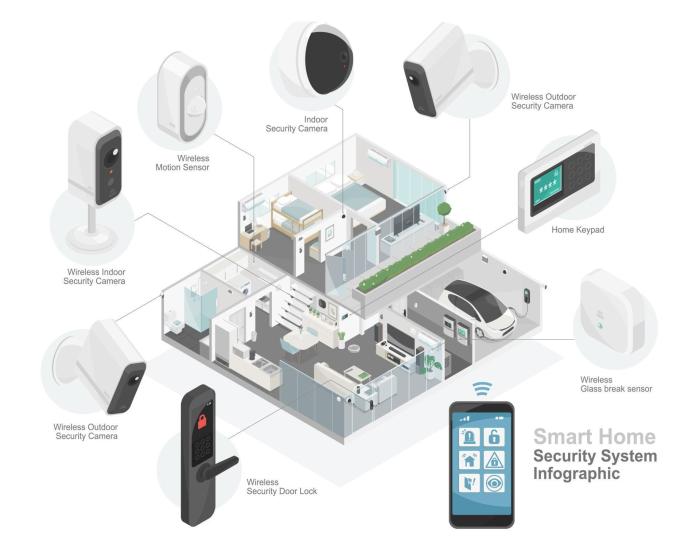
Structural health monitoring plays a crucial role in ensuring the safety and longevity of residential buildings. By continuously monitoring the condition of the structure, homeowners can detect potential issues early on and address them before they escalate into major problems.
Hidden Sensors in Siding for Early Detection
The integration of hidden sensors in siding provides a proactive approach to structural health monitoring. These sensors can detect changes in the structural integrity of the building, such as moisture infiltration, temperature fluctuations, and movement. By capturing these subtle changes, homeowners can take timely action to prevent any damage.
Impact on Maintenance Costs
- Early detection through hidden sensors can significantly reduce the overall maintenance costs of a home. By addressing issues promptly, homeowners can prevent costly repairs that may arise from neglected structural problems.
- Continuous monitoring allows for proactive maintenance, which can extend the lifespan of the building and minimize the need for major renovations in the future.
Real-Life Examples of Prevention
One real-life example showcases how hidden sensors in siding detected a small leak in the wall, allowing the homeowner to repair it before it caused water damage to the internal structure. Another example involves the detection of foundation movement through sensors, enabling timely reinforcement to prevent further structural damage.
Installation and Maintenance
When it comes to integrating hidden sensors in smart siding, the installation process is crucial for ensuring the proper functionality of the sensors. Proper calibration and regular maintenance are essential to keep the system running smoothly.
Installing Hidden Sensors in Smart Siding
Integrating hidden sensors in smart siding involves a few key steps to ensure they are properly installed and functioning correctly:
- Choose the right location for the sensors to ensure they can accurately monitor the structural health of the building.
- Follow the manufacturer's instructions carefully to install the sensors securely within the siding.
- Ensure proper wiring and connectivity to the monitoring system for data collection and analysis.
- Test the sensors post-installation to verify they are detecting changes in the structure effectively.
Tips for Calibration and Functionality
After installation, it is important to calibrate the sensors to ensure accurate readings and functionality:
- Regularly check and adjust the calibration settings based on environmental factors and changes in the structure.
- Perform routine tests to verify the sensors are detecting and transmitting data correctly.
- Consult with professionals if you encounter any issues with calibration or functionality to avoid inaccurate readings.
Maintenance Requirements for Smart Siding
Maintaining smart siding with integrated sensors is essential to ensure long-term functionality:
- Regularly inspect the siding and sensors for any signs of damage or wear that could affect performance.
- Clean the sensors and siding as recommended by the manufacturer to prevent debris buildup or interference with readings.
- Replace any damaged sensors or components promptly to avoid disruptions in monitoring structural health.
Role of Professionals vs DIY Installation
While some homeowners may opt for a DIY installation of hidden sensors in smart siding, the expertise of professionals can ensure a seamless integration:
- Professionals have the knowledge and experience to properly install and calibrate sensors for accurate monitoring.
- DIY installations may be more cost-effective but can lead to inaccuracies if not done correctly.
- Consulting with professionals for installation and maintenance can provide peace of mind and reliable data for structural health monitoring.
Outcome Summary
Concluding the discussion on a high note, the outro paragraph summarizes the key points discussed and leaves the readers with some food for thought.
Expert Answers
What are the benefits of integrating sensors into siding for structural health monitoring?
Integrating sensors into siding allows for early detection of structural issues, enhancing the overall structural health of a home.
How do hidden sensors contribute to energy efficiency?
Hidden sensors can help identify areas of energy loss, allowing homeowners to take corrective measures and improve energy efficiency.
What maintenance is required for smart siding with integrated sensors?
Regular maintenance such as sensor calibration and functionality checks are necessary to ensure the system works effectively.
Is professional installation recommended for sensor integration?
Professional installation is often recommended to ensure sensors are correctly integrated and functioning optimally.